
What can you eat with gout?
Foods to avoid with gout — and what you can actually eat
Short answer: most foods are fine. A specific, purine-dense list of meats, seafood and drinks is what's actually linked to flares — not the long "avoid everything" list a lot of old advice still repeats. Gout flares are driven by uric acid, and uric acid is driven partly by purines: compounds especially concentrated in certain meats, seafood, and drinks. This list separates what the evidence actually supports from decades of repeated advice that hasn't held up, with a citation behind every claim.
Foods to limit or avoid — the clearest cases
These are the categories where major clinical and patient-advocacy sources, including the Arthritis Foundation and Mayo Clinic, consistently agree. The common thread is purine density: animal foods that break down cell material quickly (organs) or are eaten whole, including the parts richest in purines (small fish, shellfish), tend to carry the largest uric acid load per serving.
| Category | Examples | Why |
|---|---|---|
| Organ meats | Liver, kidney, sweetbreads, pâté | The single highest-purine food category in general dietary guidance, and the clearest "avoid," not just "limit." |
| Certain seafood | Anchovies, sardines, herring, mussels, scallops | Small, whole-eaten fish and certain shellfish are consistently flagged as high-purine in gout dietary guidance. |
| Red and game meat | Beef, lamb, pork, venison, bacon | Higher purine content than poultry or plant protein; the Arthritis Foundation and Mayo Clinic both recommend limiting portion size and frequency rather than full elimination. |
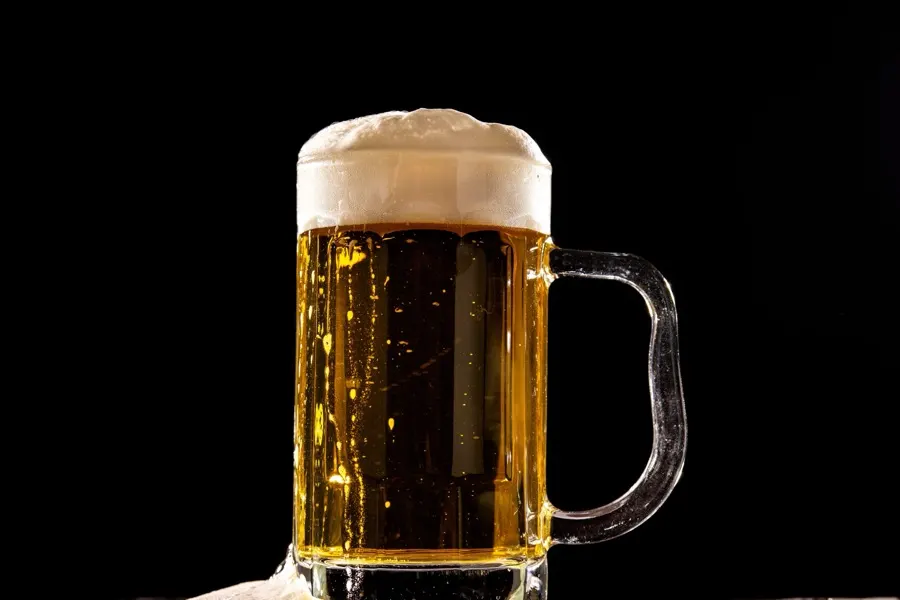
| Beer | Regular and craft beer | Carries purines from the brewing process on top of alcohol's own effect of slowing uric acid excretion. See the beer-vs-spirits section below. |
| Sugar-sweetened drinks | Regular soda, fruit drinks with added high-fructose corn syrup | Fructose raises uric acid production independently of purine content; Choi et al. studies (BMJ 2008; JAMA 2010) linked sugar-sweetened drink intake to higher gout risk. Diet soda did not show the same association. |
Beer vs. spirits vs. wine — the mix-up worth clearing up
"Just avoid alcohol" is the common shorthand, but the type matters more than people assume. A widely cited prospective study by Choi and colleagues (published in The Lancet, 2004) tracked alcohol type separately and found that beer consumption was associated with a meaningfully larger increase in gout risk than spirits, while moderate wine consumption did not show a meaningful increase in the same data. The likely explanation is that beer combines alcohol's uric-acid effect with its own purine content from the brewing process (including purines from the yeast), which spirits and wine don't carry in the same way. That doesn't make spirits "safe": alcohol in any form still slows the kidneys' ability to clear uric acid, but if a flare-prone drinker has to pick, the evidence points toward beer as the higher-risk choice specifically.
Source: Choi HK, Atkinson K, Karlson EW, Willett W, Curhan G, "Alcohol intake and risk of incident gout in men: a prospective study," The Lancet, 2004.Foods people wrongly avoid
Older gout advice grouped all "purine-rich" foods together, including vegetables like spinach, asparagus, mushrooms, and legumes such as lentils and beans. More recent evidence doesn't support treating plant purines the same as animal ones. The same landmark Choi et al. study that established the meat and seafood link (New England Journal of Medicine, 2004) specifically tested purine-rich vegetables and total protein intake and found neither was associated with increased gout risk. The likely reason is that purines from plant cell walls are absorbed and metabolized differently than purines from dense animal tissue, but regardless of mechanism, the outcome data doesn't back the old blanket advice.
Source: Choi HK, Atkinson K, Karlson EW, Willett W, Curhan G, "Purine-Rich Foods, Dairy and Protein Intake, and the Risk of Gout in Men," New England Journal of Medicine, 2004.What's generally fine — and what may even help
This is the reassuring side, and it's just as evidence-based as the avoid list:
- Purine-rich vegetables (spinach, asparagus, mushrooms, cauliflower): not linked to increased gout risk in the Choi et al. 2004 NEJM cohort, so there's no need to avoid them on gout grounds specifically.
- Legumes (lentils, beans, chickpeas): same evidence base, and a reasonable plant-protein alternative to red meat rather than a food to fear.
- Low-fat dairy: the same NEJM study found low-fat dairy intake associated with a lower risk of gout.
- Coffee: Choi and Curhan's follow-up study (American Journal of Clinical Nutrition, 2007) found coffee consumption associated with a lower risk of gout in a dose-dependent pattern.
- Whole grains and most fruit: not purine-dense and not flagged in mainstream gout dietary guidance. Fruit juice with added sugar is the exception, covered under sugar-sweetened drinks above.
A note on cherries
Cherries come up often in gout discussions. An observational study by Zhang and colleagues (Arthritis & Rheumatism, 2012) found that self-reported cherry intake was associated with a lower rate of reported gout flares over the following days, with a larger association when combined with allopurinol use. This is real, published evidence, but it's an observational association rather than a controlled treatment trial, so it belongs in the "worth knowing, not a substitute for your prescribed treatment" category rather than the "avoid/fine" list above.
Source: Zhang Y, Neogi T, Chen C, Chaisson C, Hunter DJ, Choi HK, "Cherry consumption and decreased risk of recurrent gout attacks," Arthritis & Rheumatism, 2012.RecipeMend's live tool currently checks recipes for blood-sugar impact (sweeteners and dessert baking) rather than purine content, so it isn't built for a gout-relevant recipe yet. A purine-focused version, built the same way (per-ingredient, cited, no black box), is planned. If you'd like to know when it ships, let us know.
Notify me when the gout tool shipsThis isn't a mailing list signup form yet. It opens an email, with no payment and no account needed.
FAQ
What foods should you avoid completely with gout?
Organ meats (liver, kidney, sweetbreads) carry the highest purine loads of any commonly eaten food and are the clearest avoid. Beer is the other near-universal recommendation, both for its purine content and because alcohol itself slows the body's ability to clear uric acid. Beyond those two, most guidance is about limiting portion and frequency rather than full elimination. See the Arthritis Foundation and Mayo Clinic guidance linked in this article.
Is beer worse than spirits for gout?
Yes, based on a widely cited Choi et al. prospective study (Lancet, 2004): beer consumption was linked to a larger increase in gout risk than spirits, and moderate wine consumption did not show a meaningful increase. Alcohol in general still impairs uric acid excretion, so this is a difference in degree, not a green light for spirits.
Do I need to avoid spinach, lentils, and other purine-rich vegetables?
The evidence doesn't support it. The same Choi et al. study (New England Journal of Medicine, 2004) that established the meat and seafood link specifically found purine-rich vegetables were not associated with an increased risk of gout, and neither was total protein intake. This is one of the most commonly repeated pieces of outdated advice.
Does RecipeMend's tool check a recipe for gout-safe ingredients?
Not yet. RecipeMend's live tool checks a recipe against Database v0.1, which covers sweeteners and dessert-baking ingredients for blood-sugar impact. It does not currently score purine content, so it isn't the right tool for a savory, gout-relevant recipe today. A purine-focused version is planned; this page exists to give an honestly sourced answer in the meantime, not to imply the current tool already does this.