
Guide
How to make diabetic desserts
"Diabetic desserts" isn't a regulated label. It's a dessert built to have a lower blood-glucose impact than the standard version. Here's what that actually means and how to make one, using three levers: sweetener, portion, and bake technique.
Database v0.0.1 (draft) — updated 2026-07-21
In the repair
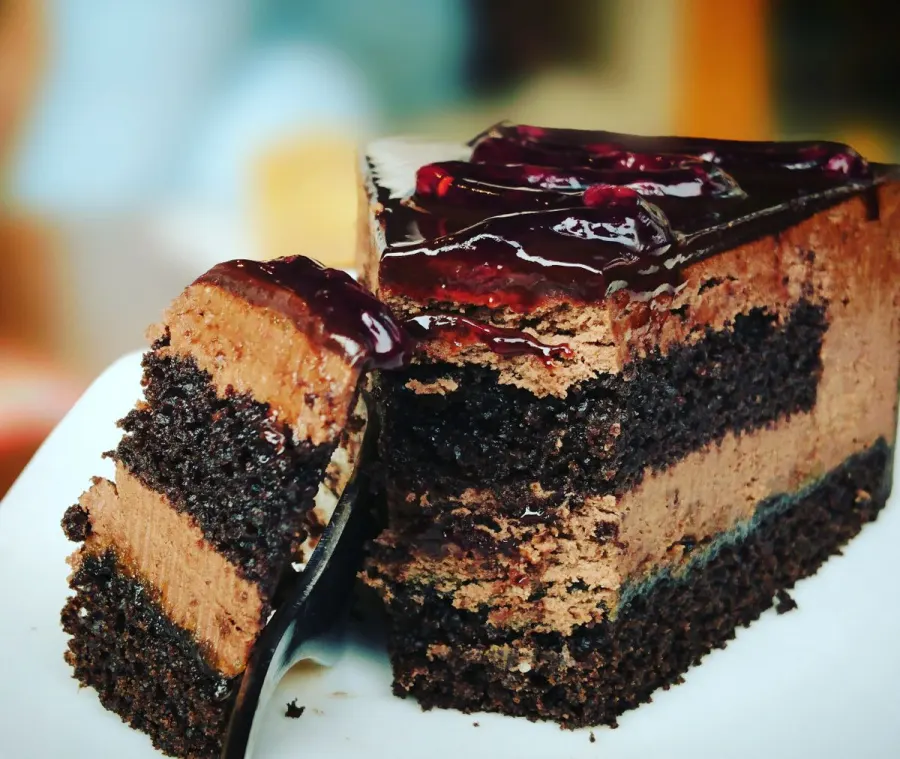
What are diabetic desserts, exactly?
There's no official regulatory definition of a "diabetic dessert." In practice the term describes a dessert reworked to have a lower blood-glucose impact than the standard version, usually through a lower-glycemic sweetener, a smaller portion or lower total carbohydrate count, or both. It is not automatically "sugar-free," and it is not automatically safe in any amount. Think of it as a direction rather than a guarantee.
Source: Database v0.1 sweetener glycemic-index buckets; FDA Nutrition Facts framework discussed on the net carbs guide.What makes one dessert "lower-impact" than another?
Two things drive it: which sweetener is used, and how much of it (and the rest of the recipe) ends up in a serving. A lower-glycemic-index sweetener reduces the blood-sugar spike per gram of sweetness, but a large portion of a "diabetic" dessert can still carry more total carbohydrate than a small portion of a regular one. Sweetener choice and portion size are separate levers, and both matter.
Source: Database v0.1 GI buckets and carbs-per-100g fields; portion framing consistent with the net carbs guide's "Total Carbohydrate first" rule.Step 1: pick a lower-impact sweetener
There's no single "best" sweetener; it depends on the recipe. Erythritol and allulose both sit in RecipeMend's low-impact bucket with a glycemic index near 0. Pure stevia extract is also GI ~0 but adds no bulk, so it can't replace sugar's structural role alone. Maltitol, by contrast, has a real glycemic response (GI ~29–36 for powder, ~52 for syrup) and isn't a low-impact swap in the same way.
RecipeMend's Database v0.1 buckets sweeteners by glycemic index. White sugar sits at GI ~65, a high-spike sweetener. Four common substitutes are each covered in their own guide:
Erythritol — GI ~0, low-impact
Erythritol is roughly 90% excreted unchanged by the body, with a measured glycemic index near 0. It's a 1:1-by-volume swap for sugar in most baking, though it's only about 60–80% as sweet by weight, so some brands blend it with stevia. It can recrystallize and turn grainy on cooling, and doesn't caramelize the way sugar does.
Source: Database v0.1 sweetener entry "erythritol" (GI 0, high confidence). Full detail on the erythritol page.Allulose — GI ~0, low-impact
Allulose is a rare sugar with a measured glycemic index near 0 (medium confidence in Database v0.1) that the FDA lets manufacturers omit from the "Total Sugars" and "Added Sugars" label lines, even though it still counts toward Total Carbohydrate. Unlike erythritol, allulose browns in the oven, which makes it useful where a recipe needs visible caramelization.
Source: Database v0.1 sweetener entry "allulose" (GI 0, medium confidence; browning: yes). Full detail on the allulose page and the net carbs guide.Stevia — GI ~0, but product type matters
Pure Reb-A stevia extract is non-caloric with no meaningful blood-glucose impact, but it's used in tiny amounts (about 1 teaspoon per cup of sugar) and adds essentially no bulk, so it can't replace sugar's structural role by itself. Stevia/erythritol blends are diluted specifically to measure 1:1 like sugar, and behave more like granular erythritol in the oven (cooling effect, some recrystallization).
Source: Database v0.1 sweetener entries "stevia-pure-reba" and "stevia-blend-erythritol" (both GI 0). Full detail on the stevia page.Maltitol — moderate impact, not a low-GI swap
Maltitol is not in the same bucket as the sweeteners above. Database v0.1 records a glycemic index of about 29–36 for maltitol powder and about 52 for maltitol syrup, both a real, non-zero blood-glucose response, and both at low confidence. Treating maltitol like a "free" swap the way you might erythritol will understate a dessert's actual glycemic impact.
Source: Database v0.1 sweetener entries "maltitol-powder" (GI 29–36) and "maltitol-syrup" (GI 52), both low confidence. Full detail on the maltitol page.Step 2: control portion and total carbohydrate
Total Carbohydrate is the FDA-regulated Nutrition Facts line; "net carbs" is an unregulated marketing term with no single agreed calculation. RecipeMend's net carbs guide recommends starting from Total Carbohydrate and deciding deliberately what, if anything, to subtract, rather than trusting a pre-computed net-carb number.
Swapping the sweetener changes the glycemic spike. It does not change the total carbohydrate or calories of the rest of the recipe (flour, fruit, dairy). The net carbs guide covers this in depth, and the more reliable habit is keeping portions realistic rather than assuming a "diabetic" label makes any serving size fine.
Three levers, used together, do the work: pick a lower-glycemic sweetener such as erythritol or allulose, both GI ~0 in RecipeMend's Database v0.1, instead of white sugar at GI ~65; control the portion and total carbohydrate count rather than assuming a swap makes any amount "safe"; and expect to adjust bake technique, since sugar substitutes brown, bulk, and set differently than sugar.
-
1. Pick a lower-impact sweetener for the recipe's role.
Match product type to purpose: erythritol or a stevia/erythritol blend where the recipe needs bulk and a 1:1 measure; allulose where browning matters; pure stevia extract only alongside a separate bulking ingredient. Avoid treating maltitol as a zero-impact swap; its GI is real.
Source: Database v0.1 sweetener entries — see sweetener guides above. -
2. Control portion and total carbohydrate, not just the sweetener.
Start from Total Carbohydrate (the FDA-regulated label line), not a pre-computed "net carbs" figure, and keep the serving size realistic. A lower-glycemic sweetener lowers the spike per gram of sweetness, but it doesn't make an oversized portion carbohydrate-neutral.
Source: FDA Nutrition Facts regulated carbohydrate lines; see the net carbs guide for the full reasoning. -
3. Adjust bake technique for the substitute you chose.
Sugar substitutes do change how a dessert bakes. Erythritol and stevia/erythritol blends have a cooling effect and can recrystallize on cooling; allulose browns readily and stays soft but doesn't provide the same structure as sugar; maltitol browns and holds some bulk, though its syrup form only partially replaces sugar's volume. None of the common substitutes behave exactly like sugar in the oven, so recipes usually need a specific, tested swap rather than a blind 1:1 substitution. Test a small batch before committing a full recipe to any one swap.
Source: Database v0.1 fields for browning, cooling_effect, and bakes_volume across sweetener entries.
Are diabetic desserts sugar-free? Not necessarily. A dessert can lower its blood-glucose impact through portion control and a partial sweetener swap without being entirely sugar-free, and "sugar-free" labeling itself doesn't guarantee a low glycemic impact if the product leans on a moderate-impact sugar alcohol like maltitol.
Don't want to cross-reference four sweetener guides by hand? Paste a recipe and RecipeMend flags a lower-impact swap for each ingredient, with the cited carbs, sugars, and glycemic bucket behind it.
Paste a recipe into the toolFAQ
What are diabetic desserts?
There's no official regulatory definition of a "diabetic dessert." In practice the term describes a dessert reworked to have a lower blood-glucose impact than the standard version, usually through a lower-glycemic sweetener, a smaller portion or lower total carbohydrate count, or both. It is not automatically "sugar-free," and it is not automatically safe in any amount. Think of it as a direction rather than a guarantee.
How do I make a dessert diabetic-friendly?
Three levers, used together, do the work: pick a lower-glycemic sweetener such as erythritol or allulose, both GI ~0 in RecipeMend's Database v0.1, instead of white sugar at GI ~65; control the portion and total carbohydrate count rather than assuming a swap makes any amount "safe"; and expect to adjust bake technique, since sugar substitutes brown, bulk, and set differently than sugar.
Which sweetener is best for diabetic desserts?
There's no single "best" sweetener; it depends on the recipe. Erythritol and allulose both sit in RecipeMend's low-impact bucket with a glycemic index near 0. Pure stevia extract is also GI ~0 but adds no bulk, so it can't replace sugar's structural role alone. Maltitol, by contrast, has a real glycemic response (GI ~29–36 for powder, ~52 for syrup) and isn't a low-impact swap in the same way.
Is net carbs or total carbs more useful for diabetic desserts?
Total Carbohydrate is the FDA-regulated Nutrition Facts line; "net carbs" is an unregulated marketing term with no single agreed calculation. RecipeMend's net carbs guide recommends starting from Total Carbohydrate and deciding deliberately what, if anything, to subtract, rather than trusting a pre-computed net-carb number.
Do sugar substitutes change how a dessert bakes?
Yes, sugar substitutes do change how a dessert bakes. Erythritol and stevia/erythritol blends have a cooling effect and can recrystallize on cooling; allulose browns readily and stays soft but doesn't provide the same structure as sugar; maltitol browns and holds some bulk, though its syrup form only partially replaces sugar's volume. None of the common substitutes behave exactly like sugar in the oven, so recipes usually need a specific, tested swap rather than a blind 1:1 substitution.
Are diabetic desserts sugar-free?
Not necessarily. A dessert can lower its blood-glucose impact through portion control and a partial sweetener swap without being entirely sugar-free, and "sugar-free" labeling itself doesn't guarantee a low glycemic impact if the product leans on a moderate-impact sugar alcohol like maltitol.
Want a diabetic-friendly swap for your own recipe?
€19 one-time
Paste your recipe and get a sourced, lower-impact sweetener swap per ingredient, not a generic "diabetic dessert" label.
Repair your own recipeNoted — taking you to the tool.