
Guide
How to fix bitter sugar-free brownies
Bitter keto or sugar-free brownies have one of a small number of causes, and the fix is a corrected ratio, not a new recipe. Before you touch anything: taste-test with someone who eats regular sugar. That one step tells you which fix you actually need.
Database v0.0.1 (draft), updated 2026-07-21
In the repair
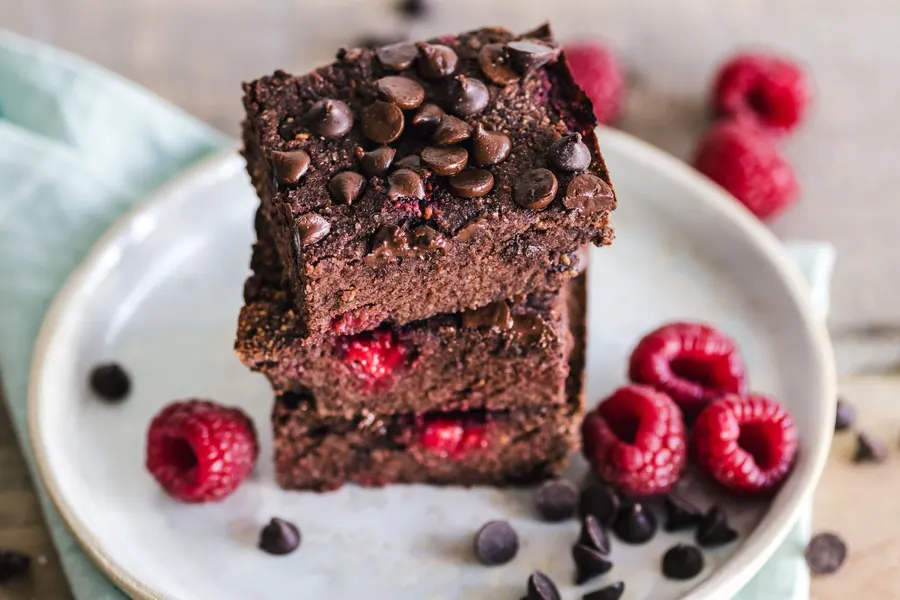
What's the fastest fix for bitter sugar-free brownies?
Cut the sweetener back to a corrected, product-specific ratio and re-bake. In most documented cases, bitterness in sugar-free brownies is a dose problem rather than a broken recipe. Brownies are especially exposed because their sugar-to-something ratio runs high relative to flour, so a sweetener that's overdosed or the wrong type for the swap shows up more strongly than it would in a cookie or cake. The exact corrected ratio depends on which sweetener the recipe actually used, which is why the diagnostic below comes before any specific number.
Source: Database v0.1 sweetener entries (stevia-pure-reba, stevia-blend-erythritol, monk-fruit-erythritol-blend) and their substitution_ratio_vs_sugar fields.The diagnostic: is it the sweetener, or is it you?
Sources in the baking-chemistry and sweetener literature don't agree on a single cause for bitter sugar-free brownies. Some point to stevia specifically, since steviol glycosides carry a well-documented bitter or licorice-like note that Database v0.1 flags as more pronounced at higher concentrations. Others point to erythritol-based blends, where the sweetener itself isn't described as bitter but carries a cooling, menthol-like sensation that some tasters register as an off-flavor rather than sweetness gone wrong. A third explanation, common in home-baking discussion but not something this database sources directly, is palate adaptation: after weeks of eating less added sugar, a baker's own sense of "normal" sweetness shifts, and a batch that would taste unremarkable to a regular-sugar eater can start to read as bitter or artificial to the person who's cut back.
There's one test that resolves most of that disagreement without needing to know which theory is right in general: have someone who eats regular sugar, and hasn't recently cut back, taste the brownie. If it tastes bitter or off to them too, the cause is almost certainly the sweetener, most likely an overdosed pure stevia extract or a strong cooling aftertaste note from an erythritol-heavy blend. If it only tastes bitter to you, and the outside taster shrugs and eats another one, palate adaptation is the more likely explanation. In that case the fix isn't a ratio change at all; it's time, or a milder sweetener next time. This diagnostic is the single most useful thing in this guide, and the ratio tables below only matter once it points you toward "the sweetener."
Corrected ratios, by cause
If the outside-taster check points to the sweetener, here's where to start correcting, by product. Pure extracts are the single most common overdose because they're used in such tiny quantities that a rounding error in measurement has an outsized effect.
Cause: pure stevia (Reb-A) extract, overdosed
Pure Reb-A extract is roughly 200-250x sweeter than sugar by weight, so the working ratio is about 1 teaspoon of pure extract per 1 cup of sugar it replaces. That's not a cup-for-cup swap, and it isn't the same ratio as a pre-blended product. If a recipe, or a home conversion, measured stevia the way it would measure a 1:1 blend, it likely overdosed the stevia fraction by an order of magnitude, which is exactly the profile that produces a licorice-like, bitter result. Pure extract also contributes essentially no bulk to the batter, so cutting the dose won't fix texture on its own; you may also need a separate bulking agent such as erythritol, allulose, or extra flour.
Source: Database v0.1 swap_rule white-sugar→stevia-pure-reba (context: general), confidence: low, sources: general stevia sweetness-potency and baking-conversion literature.Cause: pure monk fruit extract, overdosed
Pure monk fruit (mogroside) extract runs 100-250x sweeter than sugar depending on mogroside concentration, with a working ratio of roughly 1/4 to 1/2 teaspoon per cup of sugar. That's even more concentrated per teaspoon than stevia in some formulations, and just as easy to overdose. Monk fruit's own aftertaste is generally described as cleaner than stevia's, with less of the licorice note, but a slight fruity or lingering aftertaste can still show up at higher concentrations for sensitive tasters. If the recipe used a pure extract rather than a blend, treat the dose as the first thing to check.
Source: Database v0.1 sweetener entry "monk-fruit-pure" (substitution_ratio_vs_sugar, sweetness_x_sugar, aftertaste_note); basis: manufacturer and common baking guidance.Cause: a stevia or monk-fruit erythritol blend, wrong ratio or reading the cooling effect as bitterness
Blended products (Truvia-style stevia/erythritol, Lakanto-style monk-fruit/erythritol) are diluted specifically so they measure roughly 1:1 with sugar by volume, a much more forgiving dose than pure extract. But two blend-specific issues still produce a bitter or "off" read. First, erythritol carries a documented cooling/menthol sensation, especially at higher concentrations, which some tasters interpret as an off-flavor even though Database v0.1 describes erythritol's own aftertaste as otherwise minimal. Second, product lines are not interchangeable: Lakanto's own manufacturer guidance calls for HALF the sugar volume when using Lakanto Golden specifically. A full 1:1 swap of Golden risks both crystallization and an over-sweet, aftertaste-heavy result, while Lakanto Classic is formulated for the full 1:1. Confirm which specific product is in the pantry before assuming the ratio is 1:1 across the board.
Source: Database v0.1 swap_rule white-sugar→stevia-blend-erythritol (context: general, confidence: medium) and swap_rule white-sugar→monk-fruit-erythritol-blend (context: cookies, confidence: medium), citing the Lakanto USA manufacturer baking guide.Cause: cocoa itself
Unsweetened cocoa is bitter by nature, which is uncontroversial baking knowledge. Brownies also use far more of it relative to flour than a typical cookie or cake, so cocoa's own bitterness has more surface area to compound with a sweetener's aftertaste. Whether that compounding is measurable, or how much of a "bitter brownie" complaint traces to cocoa specifically versus the sweetener, isn't something RecipeMend's Database v0.1 sources directly; there's no cocoa-bitterness entry in the file. This guide states that gap rather than inventing a ranking. If you've already corrected the sweetener ratio and the brownies are still noticeably bitter, cocoa proportion or type (natural versus Dutch-process, which is milder) is worth investigating next, just not on a sourced basis from this database.
The data does not settle this: no Database v0.1 entry covers cocoa's bitterness contribution specifically.What does NOT fix it
-
Adding more sweetener to mask the bitterness.
If the cause is an overdosed pure extract, adding more of the same sweetener compounds the exact problem that caused it. This is the most common instinct and the most counterproductive one.
Not a Database v0.1 figure; a direct consequence of the substitution_ratio_vs_sugar data above. -
Switching brands without checking the dose first.
A different brand of the same sweetener type (pure extract vs. blend) will usually reproduce the same failure, since the underlying issue is almost always how much was used relative to what that specific product needs, not the brand.
Not a Database v0.1 figure, drawn from general baking-substitution practice. -
Assuming it's "just how sugar-free brownies taste."
A correctly dosed sweetener, matched to the right product type, doesn't reliably read as bitter to an outside taster in the sources reviewed for this guide. If a batch tastes bitter to everyone who tries it, treat that as a signal to fix the ratio, not a ceiling to accept.
Not a Database v0.1 figure, but an inference from the diagnostic above. -
Judging the aftertaste from a warm brownie.
Erythritol-based bakes firm up and their aftertaste can read differently once fully cooled per Database v0.1's general erythritol guidance. Taste-test after the brownies have cooled completely, not straight from the oven.
Source: Database v0.1 sweetener entry "erythritol" (cooling_effect, moisture_behavior fields).
FAQ
Does stevia or erythritol cause more bitterness in brownies?
Pure stevia extract is the more commonly cited cause of real bitterness. Database v0.1 documents a bitter, licorice-like aftertaste that gets stronger at higher concentrations, and pure extract is potent enough (200-250x sugar) that a small measuring error overdoses it fast. Erythritol's own aftertaste is described as minimal, but it carries a cooling, menthol-like sensation that some tasters mistake for bitterness. That's a related complaint with a different fix: the cooling effect doesn't fade with a smaller dose the way overdose bitterness does, since it's built into erythritol at any meaningful concentration. Sources disagree on which sweetener dominates in a given bitter batch, so this guide starts with a diagnostic instead of a single answer.
Source: Database v0.1 sweetener entries "stevia-pure-reba" and "erythritol" (aftertaste_note, cooling_effect).How much stevia is too much?
For pure Reb-A extract, Database v0.1's swap guidance puts the working ratio at roughly 1 teaspoon of pure extract per 1 cup of sugar it replaces (confidence: low, general stevia baking-conversion literature). Going meaningfully above that risks a bitter, licorice-like result. If a recipe or a home conversion measured stevia by the cup, or treated pure extract the same as a 1:1 blend, it likely overdosed the stevia fraction by an order of magnitude, and that figure carries low confidence since concentration also varies by brand and extract purity. Check the product label rather than treating 1 teaspoon as a universal constant.
Source: Database v0.1 swap_rule white-sugar→stevia-pure-reba, confidence: low.Can I fix bitter brownies after they're already baked?
Not the bitterness itself, since it's baked into the batch. The practical fix is masking: a scoop of unsweetened whipped cream, a dusting of cocoa, or something acidic like berries or raspberries can offset a mild off-note for serving. RecipeMend's database doesn't have a sourced figure for how much any topping actually offsets a stevia or erythritol aftertaste, so treat masking as a workaround for the batch you have. The real fix is re-baking with a corrected ratio.
Not a Database v0.1 figure: general kitchen practice, stated as unsourced.Does unsweetened cocoa make bitterness worse?
Unsweetened cocoa is bitter on its own, which is common food knowledge and not disputed. Brownies also use a lot of it relative to flour, so it's plausible that cocoa compounds with a sweetener's own aftertaste to produce a worse combined result. RecipeMend's Database v0.1 doesn't source that directly though; there's no cocoa-bitterness entry. This guide states that gap rather than inventing a number for it.
The data does not settle this: no Database v0.1 entry covers cocoa specifically.Will my brownies taste normal to people who eat regular sugar?
Asking an outside taster is the fastest way to tell what's actually happening. If a brownie tastes bitter to someone who eats sugar every day and hasn't cut back, the cause is very likely the sweetener itself: overdosed stevia, or a strong cooling aftertaste from the erythritol side. If it only tastes bitter or off to the person who's been eating sugar-free for weeks, palate adaptation to sweetness is a more likely explanation than the recipe. RecipeMend's database doesn't have a sourced figure for that effect; it's a plausible, commonly discussed explanation, not a measured one.
Not a Database v0.1 figure, but an inference from the sweetener aftertaste data plus general palate-adaptation discussion.This guide covers taste, bitterness specifically. If your sugar-free brownies came out dense, gummy, or wet in the middle instead of (or alongside) tasting bitter, that's a different failure mode with a different fix: see why sugar-free brownies turn out gummy, which covers the bulk-vs-sweetness structural problem rather than taste. For the general stevia-bitterness mechanism across all baked goods, not just brownies, see why stevia baking tastes bitter. Full conversion ratios for stevia specifically live on the stevia sweetener guide, and erythritol's own behavior, including the cooling effect referenced above, is covered on the erythritol sweetener guide. Every figure on this page is attributed on the sources page.
Not sure which sweetener your recipe actually calls for, or what the corrected ratio is for your exact quantities? Paste it in and RecipeMend checks each ingredient against the database, tells you what to swap it for, and cites where the ratio comes from.
Paste your brownie recipe into the toolWant this same rigor applied to your own recipe?
€19 one-time
Paste your brownie recipe in and get a printable report showing what to change in each ingredient and where that number comes from.
Repair your own recipeNoted, taking you to the tool.