
Guide
How to fix allulose bakes that brown or burn too fast
If a keto or sugar-free bake comes out of the oven dark on top, even scorched, while the middle is still underdone, allulose is browning faster than sugar and the oven isn't the problem. The fix is a corrected blend plus a couple of technique adjustments. Here's what the database actually supports, and what's common baking practice you can't source.
Database v0.0.1 (draft), updated 2026-07-21
In the repair
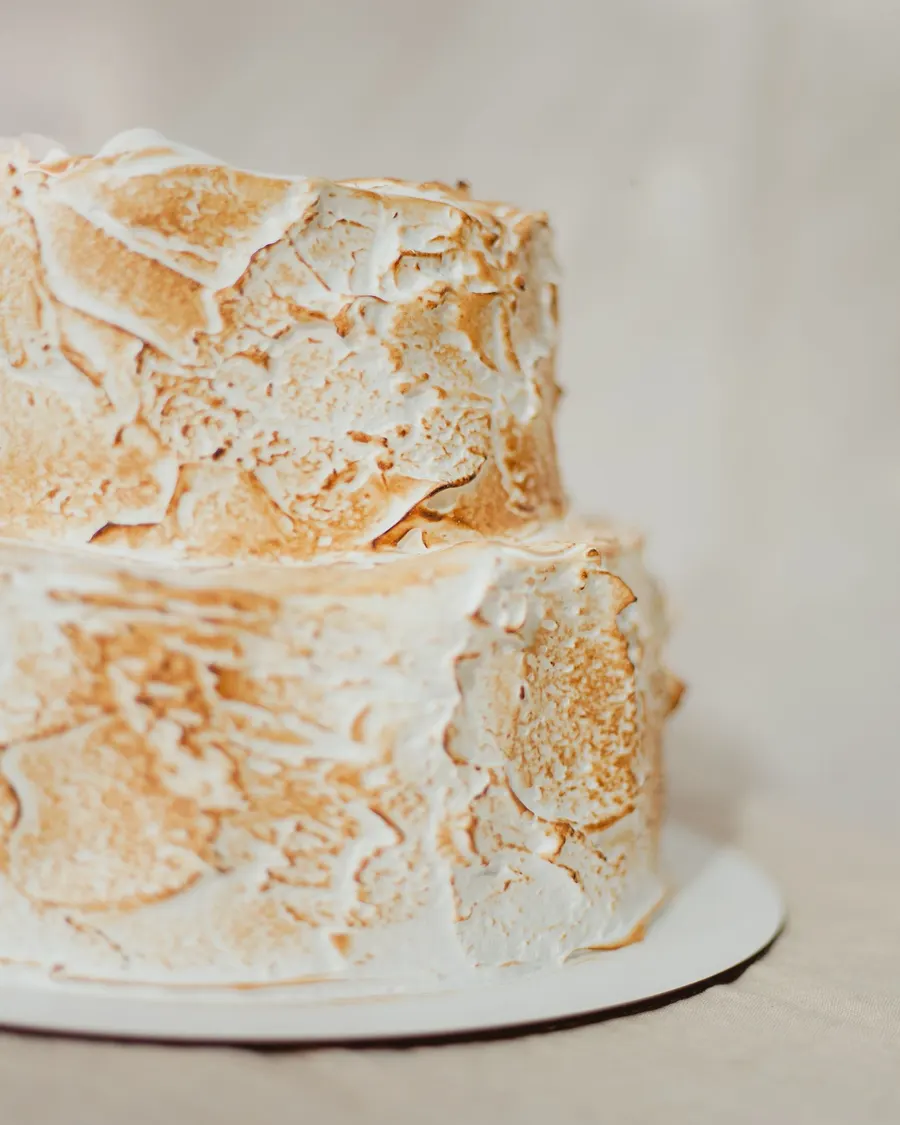
The fix, up front: pull back the allulose fraction
Three directions are on the table, and the database supports them unevenly. Best-supported: blend part of the allulose out in favor of a sweetener that doesn't participate in Maillard browning. Erythritol is the database's clearest non-browning option, at the cost of a cooling effect and recrystallization risk you'll need to manage as you shift toward it. Also supported, but at confidence: medium, is dropping the oven temperature roughly 25-35°F and checking the bake earlier than the recipe states, since Database v0.1's own swap-rule guidance says this directly, sourced to baking-science and manufacturer material rather than an independently verified study. Weakest support: tenting the top with foil partway through. It's common, sensible technique, but not something this database has an independently sourced figure for. If you'd rather have the ratio math worked out against your exact recipe than do it by hand, paste it into the tool.
Source: Database v0.1 sweetener entries "allulose" and "erythritol": browning, cooling_effect, moisture_behavior fields; swap_rules white-sugar→allulose (cookies, cakes contexts).Corrected ratio: allulose-to-erythritol partial blend
Allulose swaps at roughly 1⅓ cups per cup of sugar, because it's about 70% as sweet by weight. Erythritol swaps closer to 1:1 by volume. Building a partial blend means sizing each portion at its own sourced ratio against the original sugar volume, not treating the two as interchangeable cup-for-cup.
| Sugar this recipe calls for | Allulose portion (1:1.33 by volume) | Erythritol portion (1:1 by volume) | Trade-off |
|---|---|---|---|
| 1 cup, 100% allulose (baseline: what usually over-browns) | 1⅓ cup | 0 cup | No cooling effect; full browning-speed risk, top can darken before center sets |
| 1 cup, ⅔ allulose / ⅓ erythritol by original sugar volume | ~⅔ cup × 1.33 ≈ 0.89 cup | ⅓ cup | Browning still noticeable; minimal added cooling effect |
| 1 cup, ½ allulose / ½ erythritol by original sugar volume | ½ cup × 1.33 ≈ 0.67 cup | ½ cup | Moderate browning reduction; moderate cooling-effect and recrystallization risk on cooling |
| 1 cup, ⅓ allulose / ⅔ erythritol by original sugar volume | ⅓ cup × 1.33 ≈ 0.44 cup | ⅔ cup | Browning much reduced; cooling effect more pronounced, watch for grit as the bake cools (see the gritty erythritol guide) |
The database doesn't specify one optimal fraction for minimizing over-browning specifically. The splits above are reasonable starting points built from each sweetener's own sourced ratio, not a tested "this fraction stops the burn" figure. As you shift the blend toward erythritol, you trade a browning problem for a cooling-aftertaste one, which is its own documented trade-off rather than a free fix.
Source: Database v0.1 substitution_ratio_vs_sugar fields for allulose (1:1.33, Now Foods manufacturer guidance / common allulose-brand baking guides) and erythritol (1:1, manufacturer/common baking guidance); cooling_effect field for erythritol (yes).Why it browns faster than sugar, briefly
Allulose is a reducing sugar, so, unlike erythritol, it participates directly in the Maillard reaction, the same browning chemistry that colors bread crust and seared meat. Database v0.1 marks allulose's browning field as yes, and specifically notes it can brown faster and darker than table sugar at the same oven temperature, not just comparably. That's the whole mechanism this guide needs: the fix is managing how much of that reactive sugar is in the batter and how it's baked, not decoding the chemistry further. For what allulose is and how it's regulated on a label, see the allulose sweetener guide. This page is about repairing a specific bake failure rather than explaining the ingredient from scratch.
Source: Database v0.1 sweetener entry "allulose": browning, moisture_behavior fields.A note on chewiness and texture
Some bakers also report allulose bakes coming out noticeably chewier than a sugar version, alongside the browning issue. Database v0.1 doesn't carry a dedicated chewiness or texture field for allulose beyond its browning and moisture-behavior notes, so this guide can't cite a database figure for the chewiness complaint specifically. Treat it as a separately reported issue this database doesn't yet settle, not something the ratio table above is proven to fix. If gumminess or density is the dominant problem in your bake rather than browning, the gummy brownies guide covers that failure mode, which the database does source.
Source: no chewiness/texture field found in Database v0.1's allulose entry this session.What does NOT fix it
- Raising the oven temperature to "set it faster." This makes over-browning worse rather than better: allulose's faster Maillard reaction means more heat accelerates the exact problem you're trying to solve.
- Swapping allulose brands. Browning speed is documented as a property of allulose itself as a reducing sugar rather than a specific manufacturer's formulation, so changing brands within pure allulose is unlikely to change the outcome on its own.
- Adding more liquid. Extra liquid addresses moisture and structure issues; it doesn't change the Maillard browning rate. The database doesn't link liquid content to allulose's browning behavior.
- Pulling the bake early and calling it done. If the center hasn't set, an early pull trades a browning problem for an underbaked one. The corrected blend and temperature adjustment address the cause rather than just the clock.
-
1. Blend in erythritol for the portion that's over-browning.
Use the ratio table above. Start with a ⅔/⅓ allulose-to-erythritol split by original sugar volume if this is your first attempt, and expect to trade some browning for a bit of erythritol's cooling effect as you shift the ratio further.
Source: Database v0.1 substitution_ratio_vs_sugar (allulose, erythritol); cooling_effect (erythritol). -
2. Drop the oven temperature and check the bake earlier.
Database v0.1's own swap-rule guidance for allulose is to reduce oven temperature roughly 25-35°F and watch closely near the end of the bake. It's flagged confidence: medium, sourced to baking-science and manufacturer material, not an independently verified study. It doesn't give a specific minutes-off-the-clock adjustment to pair with it.
Source: Database v0.1 swap_rules white-sugar→allulose, cookies and cakes contexts, adjustments field. -
3. Tent the top with foil if it's still darkening before the center sets.
This is common baking practice rather than a database-sourced figure. The database doesn't carry an independently retrieved source on foil-tenting for allulose specifically, so treat it as a secondary lever to test, not a guaranteed fix on its own.
Source: no independently sourced foil-tenting study found in Database v0.1 this session. -
4. Don't expect a full allulose swap to match sugar's browning exactly.
Allulose's browning behavior is documented as faster and darker than sugar, not identical to it, at any ratio of allulose alone. If matching sugar's exact color matters more than avoiding erythritol's cooling effect, the blend-plus-temperature approach above is the database-supported ceiling, not a 1:1 drop-in.
Source: Database v0.1 sweetener entry "allulose": browning, moisture_behavior fields.
Don't want to work out the allulose-to-erythritol split by hand? Paste your recipe and RecipeMend calculates the corrected ratios for your exact quantities, with sources.
Paste your recipe into the toolFAQ
Is this the same problem as gritty or gummy sugar-free bakes?
No. This is a different failure mode with different sweetener behavior. Grittiness on cooling is erythritol's own documented recrystallization issue, covered in the gritty erythritol guide. Gumminess and density point to a bulk-versus-sweetness swap error or underbaking, covered in the gummy brownies guide. Over-browning or burning is specifically allulose's Maillard reactivity, documented separately in the database's browning field.
Does allulose taste bitter when it over-browns?
Bitterness isn't the documented failure mode here. Database v0.1 notes allulose has minimal reported off-taste and is generally considered closest to sugar in mouthfeel among the sweeteners in this file. Its complaint pattern centers on browning speed and, separately and less firmly sourced, chewiness rather than bitterness. If bitterness is what you're tasting, that's more consistent with stevia; see the stevia bitterness guide.
Can I use 100% erythritol instead of allulose to avoid the browning issue entirely?
Erythritol's browning field is documented as no, so a full swap away from allulose would sidestep the over-browning issue. Erythritol, though, carries its own documented cooling effect and can recrystallize into a gritty texture as the bake cools. The database doesn't rule this out as an option, but it trades one texture problem for another rather than being a clean fix; see the gritty erythritol guide for that trade-off in detail.
Why does allulose brown or burn faster than sugar in the oven?
Allulose is a reducing sugar, so it participates directly in Maillard browning the same way table sugar does. Database v0.1 documents it as browning FASTER and darker than sucrose at the same oven temperature. That's why a top can look done, even overdone, while the center is still underbaked. This is the most consistently reported allulose baking issue in the sources this database drew from.
Does blending in erythritol fix the over-browning?
It's the strongest DB-supported direction. Erythritol's own record marks browning as no, so replacing part of the allulose lowers the total browning-reactive sugar in the batter. The trade-off, also sourced in the database, is that erythritol carries a documented cooling effect and can recrystallize into a gritty texture as the bake cools. Shift further toward erythritol and you trade a browning problem for a cooling-effect one. The database doesn't specify one universal optimal blend ratio. It gives each sweetener's own substitution ratio, and the blend math is built from those.
Should I just lower the oven temperature instead of changing the sweetener?
That's the database's own swap-rule guidance for allulose: reduce oven temperature roughly 25-35°F and watch the bake closely near the end. It's sourced to baking-science and manufacturer guidance and flagged confidence: medium, not an independently verified food-science study. It's a reasonable first lever, especially combined with a partial erythritol blend, but the database doesn't give a tested minutes-off-the-clock figure to pair with it.
Is allulose supposed to make bakes chewier too?
Database v0.1 doesn't carry a dedicated chewiness or texture field for allulose beyond its browning and moisture behavior, so this guide can't cite a database figure for the chewiness complaint specifically. If chewiness or gumminess is the bigger issue in your bake, it may be a different failure mode (see the gummy brownies guide) rather than the browning issue this page addresses.
Want this same rigor applied to your own recipe?
€19 one-time
Paste your recipe and RecipeMend works out the corrected allulose-to-erythritol split for every ingredient, with the source behind each number, in one printable report.
Repair your own recipeNoted. Taking you to the tool.